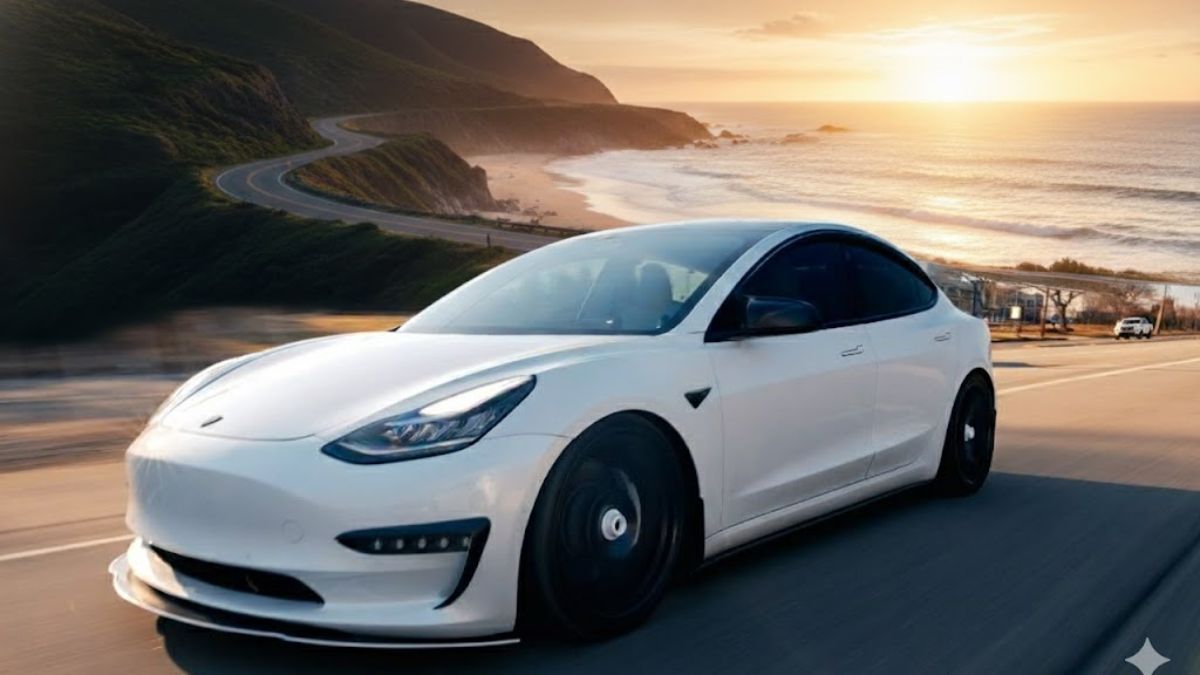

Tesla Tsla q4 2026: The year 2025 turned out to be an emotional rollercoaster for Tesla. Once seen as the unstoppable force of the electric vehicle revolution, the company faced slowing sales, stronger global competition, and growing public scrutiny. While Tesla remains one of the most influential EV brands in the world, its latest delivery numbers show that the road ahead is no longer as smooth as it once was.

Tesla’s 2025 Delivery Numbers Tell a Different Story
Tesla reported 418,227 vehicle deliveries in the fourth quarter of 2025, falling short of Wall Street expectations. Analysts had predicted higher numbers, but reality painted a more challenging picture.
For the full year, Tesla delivered 1.64 million vehicles, marking an 8.6% decline compared to 2024. Production also dipped slightly, with 1.65 million vehicles built in 2025. This made 2025 the second consecutive year of declining annual deliveries for the company—an unusual moment in Tesla’s growth-driven history.
Shares reflected the disappointment, closing lower on the day Tesla released its quarterly report.

Heavy Dependence on Model 3 and Model Y
Tesla’s delivery mix highlights a growing concern. In Q4 2025, Model 3 and Model Y accounted for nearly 97% of all deliveries, totaling over 406,000 units.
Meanwhile, premium models like Model S, Model X, and the much-hyped Cybertruck contributed only about 11,600 deliveries combined. Despite early excitement and over a million reservations after its reveal, the Cybertruck has yet to become a major sales driver. Even large internal purchases—such as SpaceX buying Cybertrucks—haven’t significantly changed the numbers.

Competition Is No Longer Catching Up — It’s Overtaking
Tesla is now facing intense competition from every direction. China’s BYD has officially overtaken Tesla as the world’s largest EV seller, reporting more than 2.26 million EV sales in 2025, a massive year-on-year jump.
At the same time, companies like Kia, Hyundai, Volkswagen, and emerging Chinese brands such as Xiaomi and Geely are rapidly expanding their EV portfolios. In Europe, Tesla’s position weakened sharply, with registrations dropping nearly 39%, while BYD’s presence surged dramatically.

Policy Changes Hit U.S. EV Demand
One major blow came from the U.S. government. The $7,500 federal EV tax credit ended on September 30, 2025, earlier than many buyers expected. This move pulled demand forward into earlier quarters and left a noticeable gap in late-year sales.
For price-sensitive consumers, the loss of incentives made EV purchases less attractive, directly impacting Tesla and other automakers.
Public Backlash and Leadership Controversies
Tesla’s challenges in 2025 weren’t limited to economics. CEO Elon Musk’s political involvement and controversial public statements sparked backlash in both the U.S. and Europe. This reaction affected consumer sentiment, especially in key international markets.
Although Tesla introduced a more affordable version of the Model Y later in the year to regain momentum, the recovery has been slower than expected.
A Bright Spot: Energy and Storage Business
While vehicle sales struggled, Tesla’s energy division showed strong growth. The company deployed 14.2 gigawatt-hours of battery energy storage systems in Q4, following another record-breaking quarter earlier in the year.
These systems—used for homes, data centers, and utilities—are becoming an increasingly important part of Tesla’s long-term strategy beyond cars.
Investors Still Believe in Musk’s Long-Term Vision
Despite weak sales numbers, Tesla stock staged a strong rally in the second half of 2025. Shares rose sharply in Q3, and Elon Musk personally purchased $1 billion worth of Tesla stock.
Investors continue to bet on Musk’s vision of the future—one that goes far beyond electric cars. Promises of robotaxis, AI-driven mobility, and humanoid robots remain central to Tesla’s long-term story, even though many of these ideas are still years away from full reality.
What Lies Ahead for Tesla?
Some analysts believe Tesla could regain ground in emerging markets like Thailand, Vietnam, and Brazil, where EV adoption is accelerating. Others caution that competition—especially from Chinese automakers—is only getting tougher.
Tesla’s upcoming financial report and future product strategy will be critical in determining whether the company can stabilize sales and reclaim momentum in 2026 and beyond.
Tesla Tsla q4 2026 Final Thoughts
Tesla’s 2025 performance marks a turning point. The company is no longer alone at the top of the EV world. Slowing deliveries, fierce competition, policy changes, and public perception challenges have reshaped its journey.
Still, Tesla remains a powerful brand with deep technological expertise and a loyal investor base. Whether it can translate vision into renewed growth will define its next chapter.
Disclaimer
This article is based on publicly available information, reported data, and market analysis available at the time of writing. Figures, policies, and company strategies may change over time. This content is intended for informational purposes only and does not constitute financial, investment, or trading advice.